Blog
Sign up to receive TLM's quarterly Leprosy Insights Magazine, and receive information, news, insights, best practice tips, opinion pieces, and more straight to your inbox. Sign up today and read the latest edition below.
Blog articles
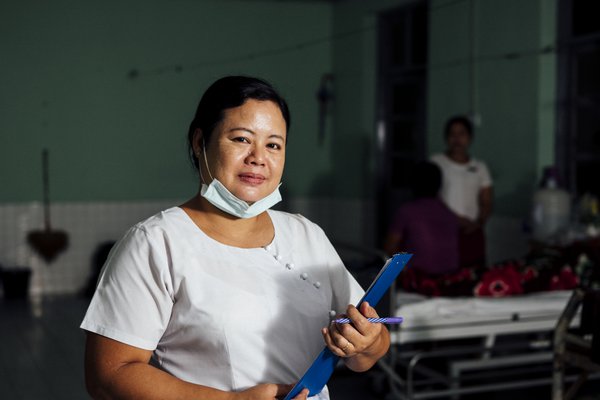
After months of violent military rule, Myanmar is currently experiencing a devastating wave of Covid-19 and there is no healthcare system in place to help.
There have been headlines across the world since the start of the Covid-19 pandemic which have seen people compare Covid-19 with leprosy. Any comparisons between these diseases are inaccurate at best and harmful at worst.
This is the story of Amar's divorce, which happened when his wife learnt that he had once been diagnosed with leprosy.
Across the world there are more than 100 laws that discriminate against people who have experienced leprosy. They are totally unacceptable. Here’s a look at some of the key ways these laws can punish you simply for a curable medical diagnosis.
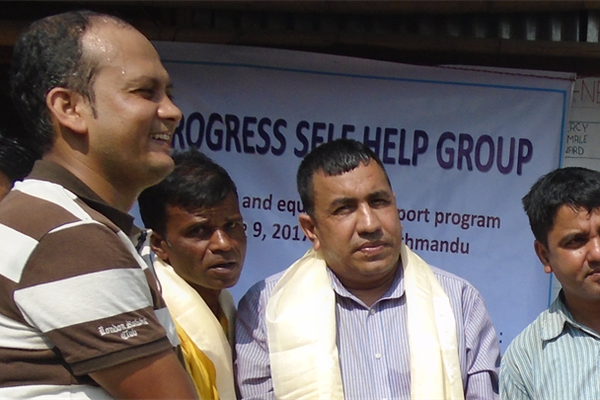
I'm Taranath from Nepal and I invite you to see what leprosy has really meant for my life. See how stigma and fear has affected me in almost every area of my life and how I have overcome all of it.
We could be the generation that ends leprosy for good. Here are three fantastic tools that scientists are working on right now that will push us towards zero leprosy transmission by 2035.
After thousands of years of the disease ruining lives, we are now on the edge of defeating leprosy. Here are three reasons we believe we can, with the right resources, end the transmission of leprosy by 2035.
Are we still on course to achieve our goal of zero transmission by 2035? In short, yes.
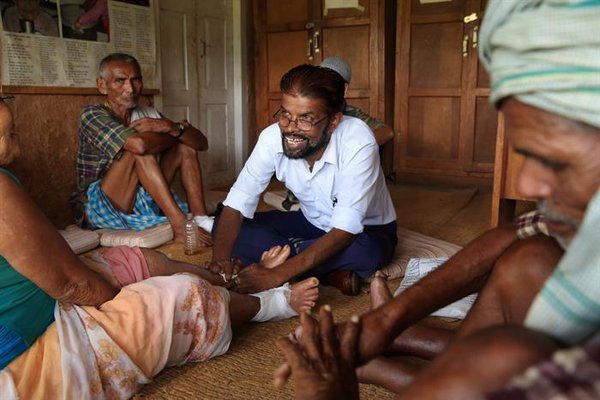
Here are the perspectives of people at the heart of the fight: people affected by leprosy, people who have spent their entire working lives aiming for a world without leprosy, and people who have been supporting the fight for decades.
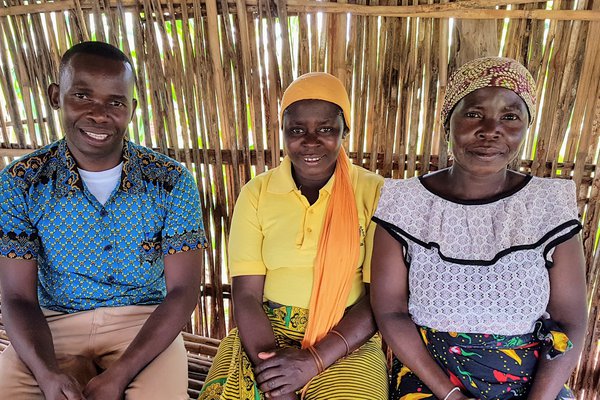
Our work will not be finished in 2035. There will still be millions of people living with the consequences of leprosy and we must continue to care for them.
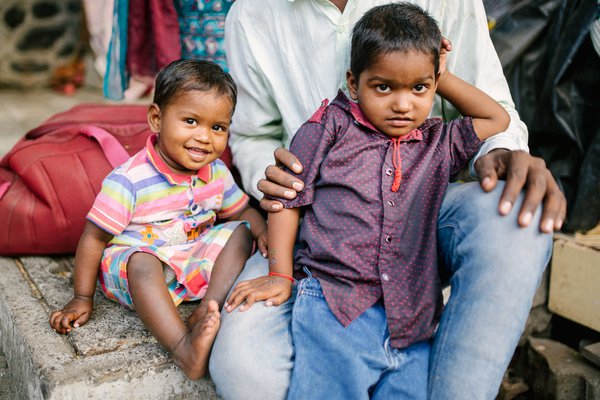
We want to raise the voice of people affected by leprosy and other NTDs. Their plight could be avoided through the eradication of poverty.
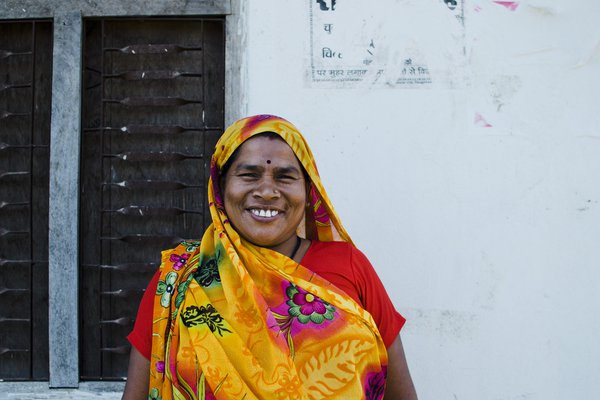
We believe we can end the transmission of the disease by 2035 and one of the crucial new tools to help us achieve this is PEP (Post-Exposure Prophylaxis).