Results
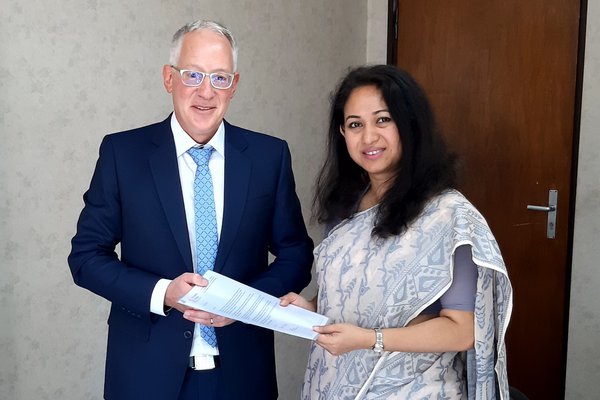
In October 2021, TLM presented a petition to permanent missions to the UN in Geneva. The petition called for an end to all laws that discriminate against persons affected by leprosy.
The Leprosy Mission is hosting two side events at the Global Disability Summit 2022.
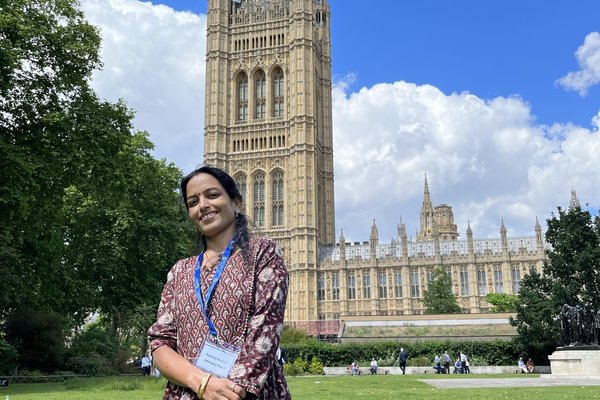
A speech delivered at the UK parliament in June 2022 by Rachna Kumari, a person affected by leprosy
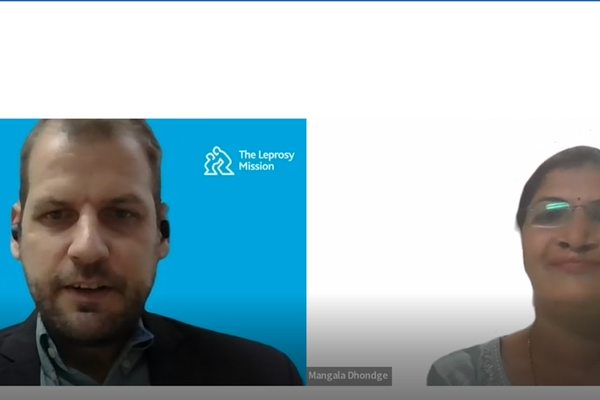
On Friday 17 June 2022, TLM hosted a side event at the UN's CRPD Conference, alongside our partners, Disabled Peoples' International
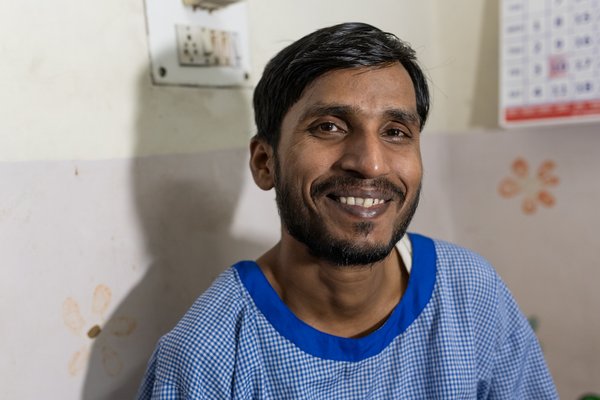
The Leprosy Mission will be at the United Nations' CRPD Conference in 2023, representing millions of persons affected by leprosy across the world.
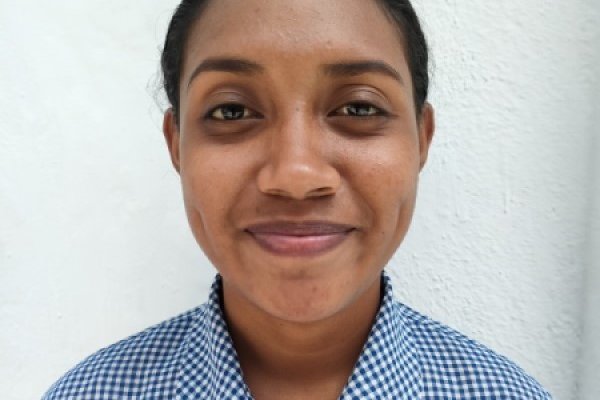
The Co-Chair of the 3rd Roundtable at the 2023 CRPD Conference was Ana Ivonia from The Leprosy Mission Timor-Leste
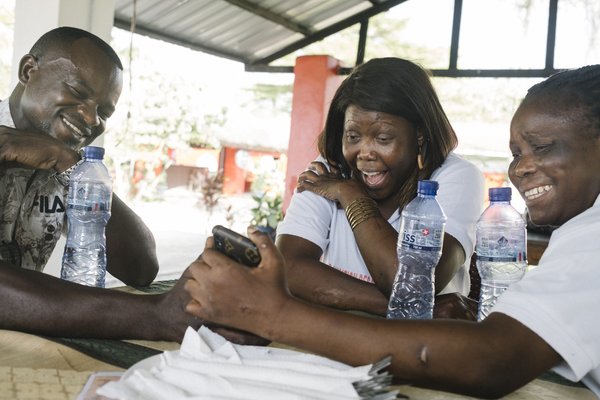
Persons affected by leprosy and their representative organisations are looking for a space within the disability sector through which they can have their voices heard and their rights accessed.
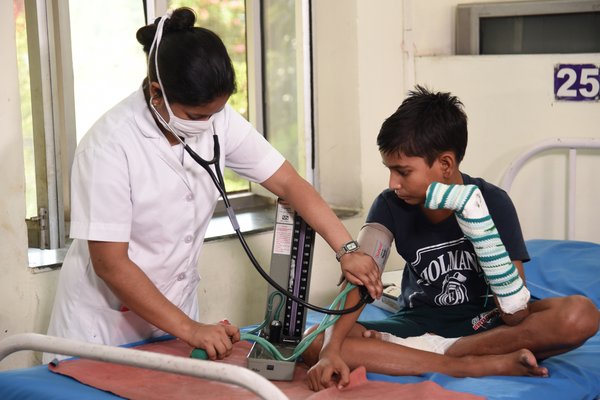
Leprosy is a Neglected Tropical Disease (NTD), which places it under SDG 3.3. NTDs affect 1.7bn people across the world.
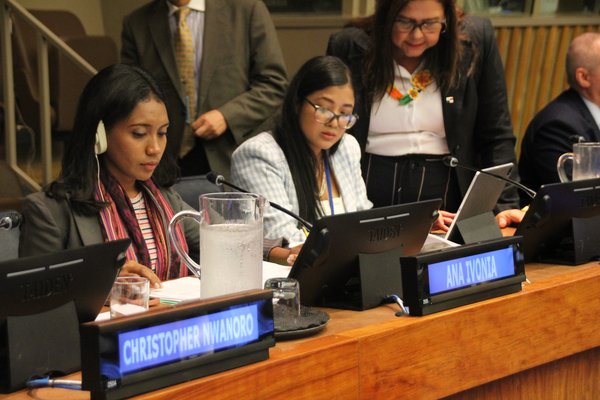
Ana Ivonia gave a statement at the conference's third roundtable on reaching underrepresented groups of persons with disabilities.
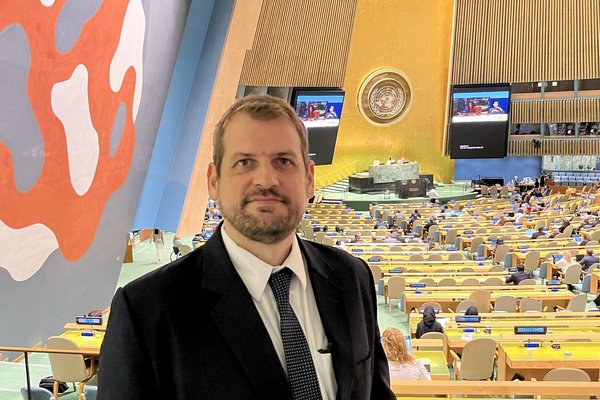
The Leprosy Mission's Global Advocacy Lead's statement, written for the CRPD Conference in 2023
The Leprosy Mission calls on the United Nations to select someone with personal experience of leprosy as the next Special Rapporteur on the elimination of discrimination against persons affected by leprosy and their family members.

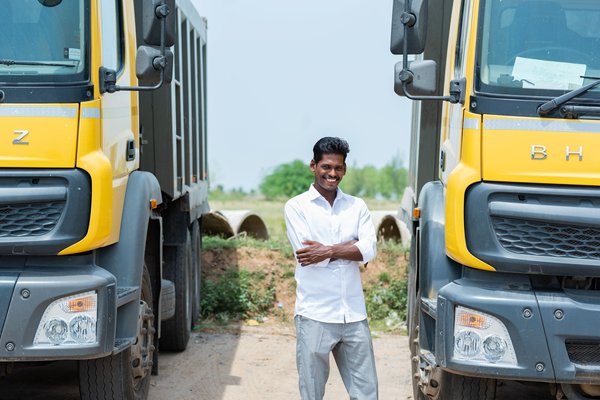
At COSP17 The Leprosy Mission is hosting a side event on the right to work and employment for persons with disability in low and middle income countries
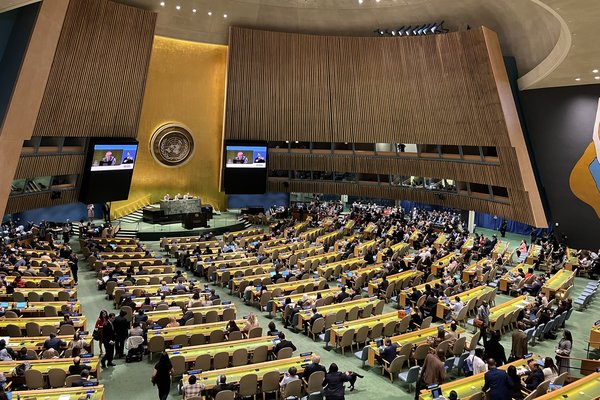
The Leprosy Mission will be attending COSP17 to represent the voices of persons affected by leprosy and persons affected by NTDs within this crucial disability rights context
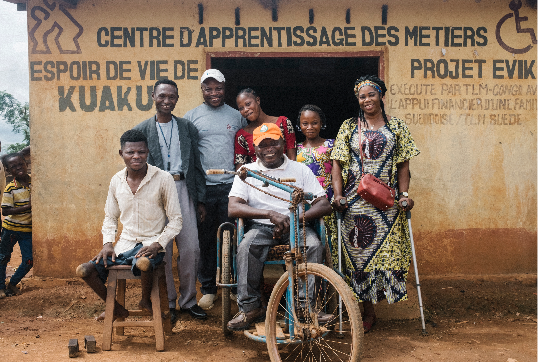
In DR Congo, policymakers and public health officials are focused on reducing transmission of NTDs in the country. Whilst this is a laudable and important goal, the sole focus on this particular NTD intervention comes at the expense of other important interventions to manage longer term needs for persons affected.
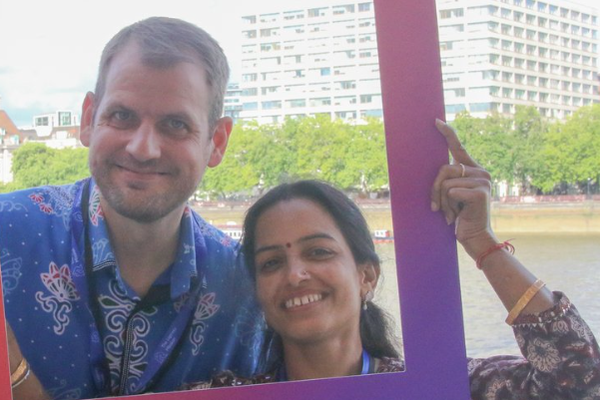
Opinion by Tim Burton, Global Communications Lead at TLM International.
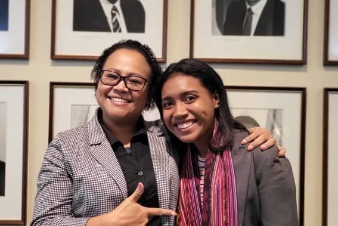
The journey of bringing women to positions of leadership is far from over for Nona, “I hope that we will one day see women affected by leprosy leading OPDs in Timor-Leste. I think it will be possible.
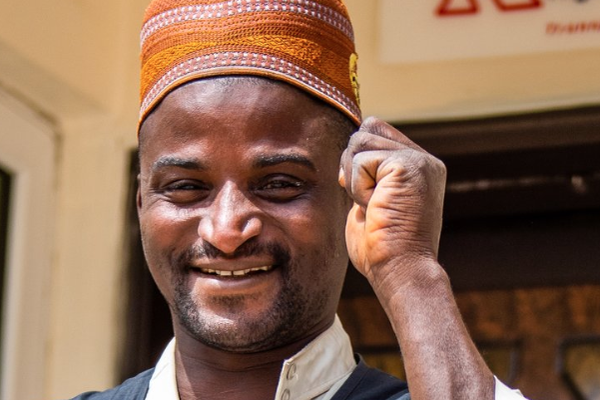
In conversation with Nikita Sarah (India) and Pius Ogbu Sunday (Nigeria)
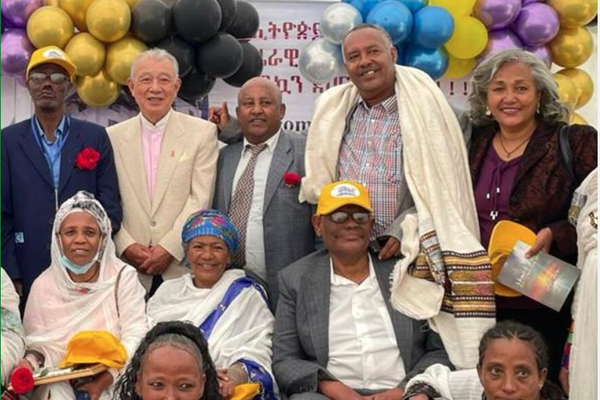
ENAPAL is Ethiopia’s National Association of Persons Affected by Leprosy. Their origins extend back to the 1990s and their three decades of growth and success make them one of the world’s leading organisations of persons affected by leprosy (OPL).
An interview with Bernice Ejiogu about the NTD Inclusion Scorecard (NISC).