Results


Rekha, now 55 years old, has been affected by leprosy since she was around seven years old. After losing her mother at two and later undergoing a leg amputation, Rekha found a new way to rebuild their life while in the hospital: through knitting.

The Khushi self-help group (SHG) is one of many SHGs run by TLM Nepal, but it is unique in that it is run primarily by women! Vice President Rativa Devi Thakur notes that, as women, being included in these meetings is empowering. “Before joining Khushi SHG,” she said, “I never imagined leading meetings or talking to officials. Now, I not only manage group activities but also motivate other women to raise their voices for equal opportunities.”
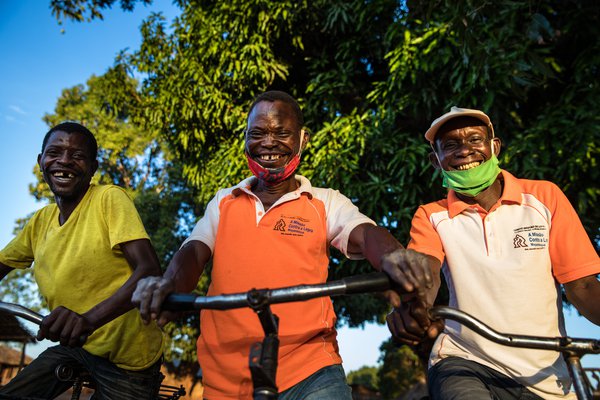
Find out everything you need to know about World Leprosy Day, including the digital toolkit, key messages, and how you can make a difference.

World NTD Day happens on 30 January every year and is marked by a call to invest in the neglected diseases that threaten 1.7 billion people worldwide.
This September, we are handing our social media channels to Organisations of Persons Affected by Leprosy (OPLs).

A look at our work to train leprosy-affected advocates who can speak on their own behalf
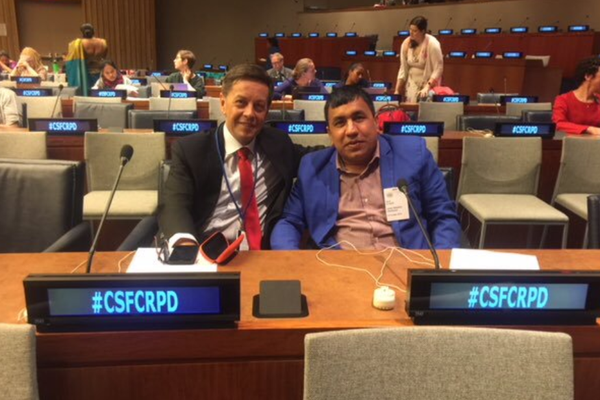
A look at how we partner with the UN to achieve justice and equal rights for persons affected by leprosy.

An overview of our human rights work

An overview of our advocacy work in Bangladesh

An overview of how we engage with the UN's Convention on the Rights of Persons with Disability
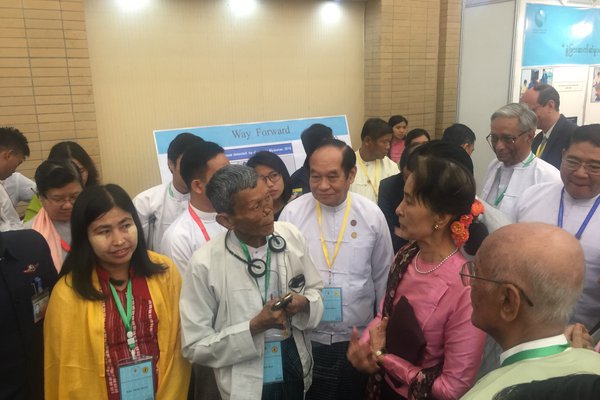
U Soe Win spoke at a roundtable even at the UN's CRPD Conference in 2020. This is what he said.
Brent Morgan, TLM International Director, spoke at the UN's 11th CRPD Conference in 2018. This is the statement he delivered.
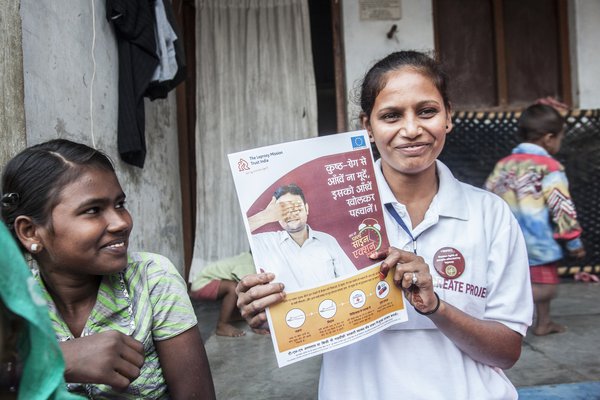
Our advocacy and communication team in India is leading the way in leprosy advocacy work worldwide.

We are seeking specific changes from governments across the world

We are running a global petition to demand an end to all discriminatory laws

Sadly, the mental health of persons affected by leprosy and other Neglected Tropical Diseases (NTDs) is yet to become a priority for governments in NTD endemic countries. This is something we ought to change right away.

Globally there are more than a billion people with disabilities and even then, there are those ‘missing millions’ who are not counted as they are not aware of their status as persons with disabilities.