Results
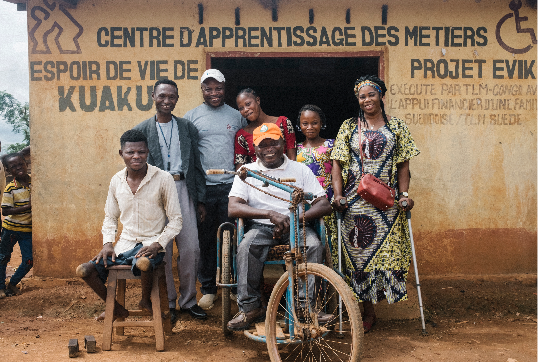
In DR Congo, policymakers and public health officials are focused on reducing transmission of NTDs in the country. Whilst this is a laudable and important goal, the sole focus on this particular NTD intervention comes at the expense of other important interventions to manage longer term needs for persons affected.
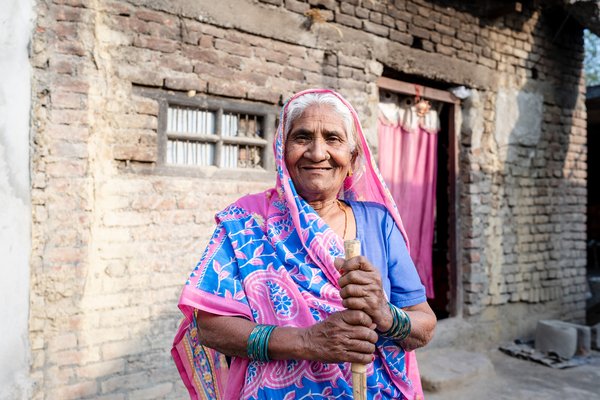
In leprosy case detection, women average around 39 percent of all new cases found each year. This is not because of a biological predisposition amongst men, but more likely a result of social factors.
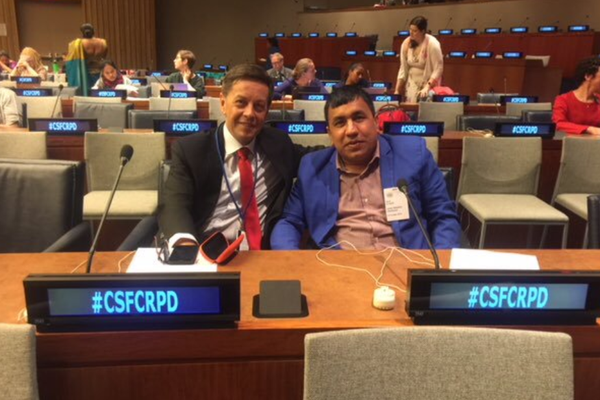
A look at how we partner with the UN to achieve justice and equal rights for persons affected by leprosy.
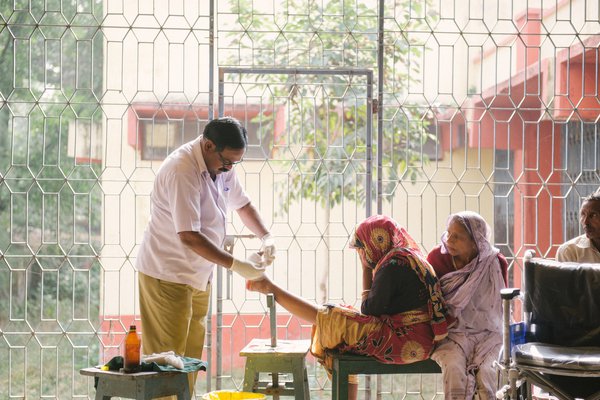
A look at TLM Nepal's work to solve some of the major leprosy ulcer issues
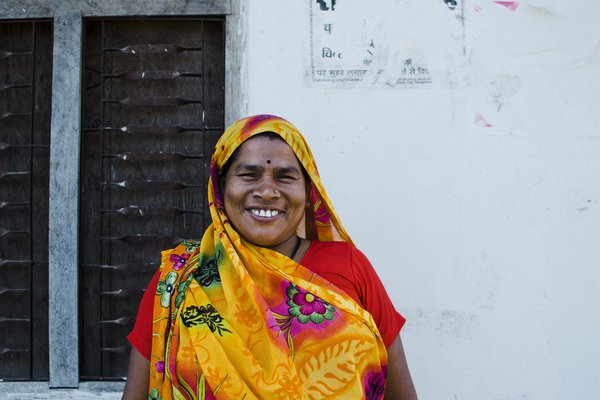
Details of TLM's work to develop a post-exposure prophylaxis that could prevent leprosy
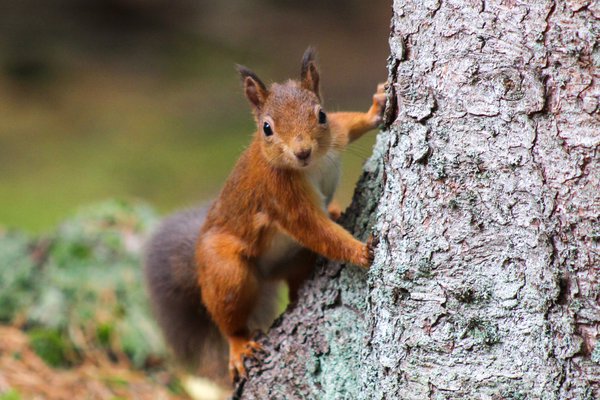
Leprosy has been found in animals in different locations across the world, including in nine banded armadillos, red squirrels, and chimpanzees.
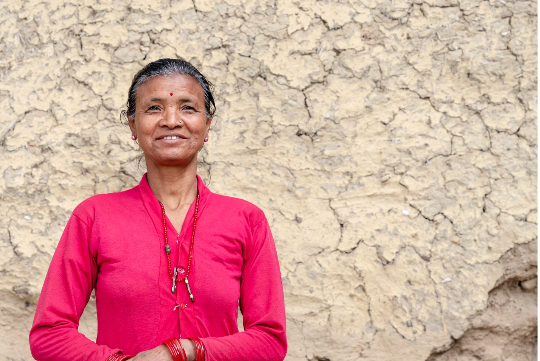
In leprosy case detection, women average around 39 percent of all new cases found each year. This is not because of a biological predisposition amongst men, but more likely a result of social factors.
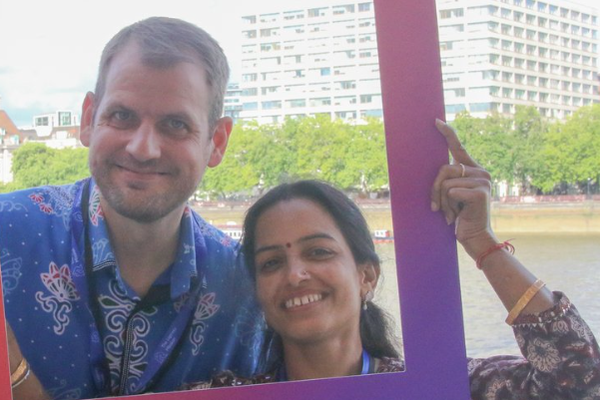
Opinion by Tim Burton, Global Communications Lead at TLM International.
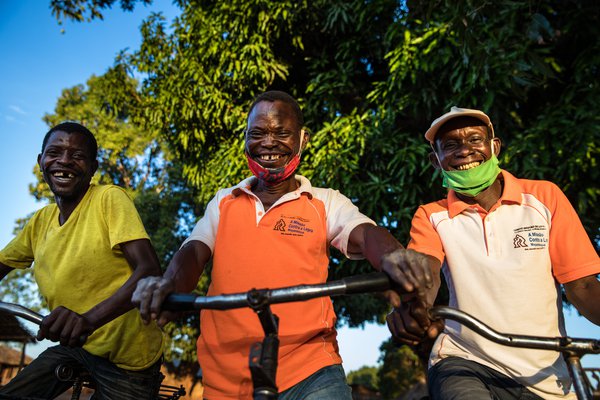
We cannot conduct research alone. We partner with many organisations, universities and research institutions across the globe.
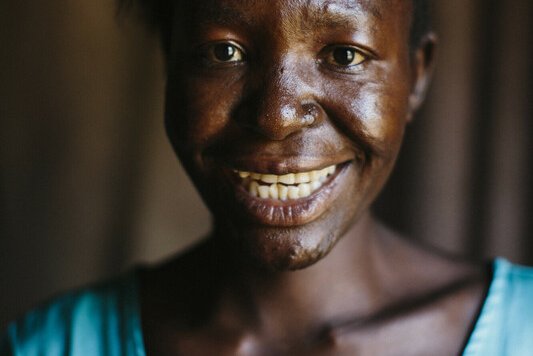
Who cares for the women who are caregivers? Women affected by leprosy have long been invisible—trapped between caregiving duties and social stigma. Dr Beatriz Miranda-Galarza sheds light on their fight for dignity, rights, and systemic change. Learn more.
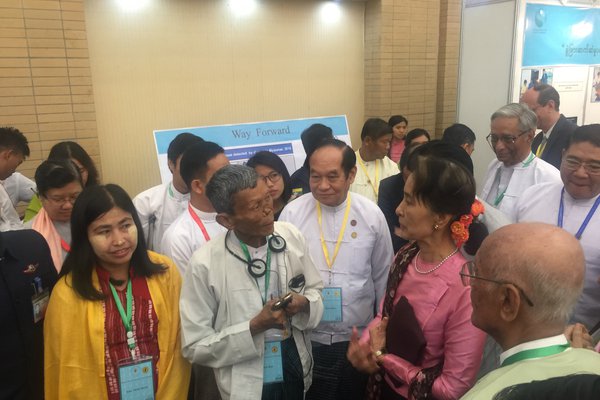
U Soe Win went from the misery of feeling trapped in his home to speaking to leaders on the world stage at the United Nations' Disability Rights Conference in December 2020.
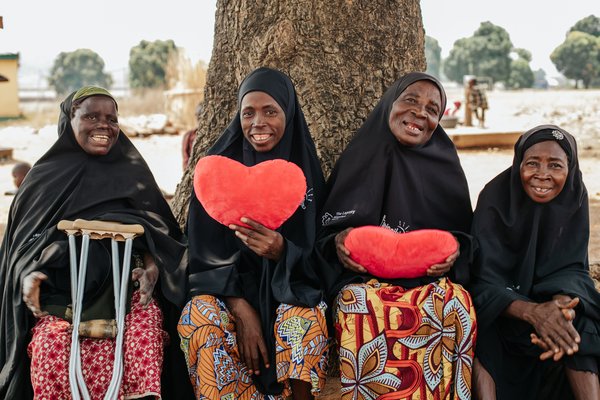
The latest Duck Drop blog takes a look at the implications for our own actions that God loves us body, spirit, and soul
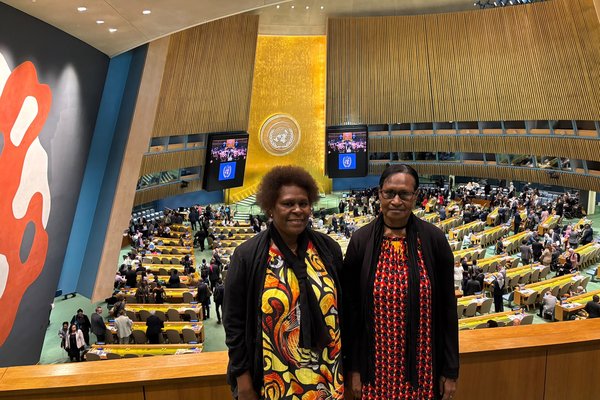
The latest Duck Drop blog takes a look at the contributions of the WHO and the UN in the fight against leprosy
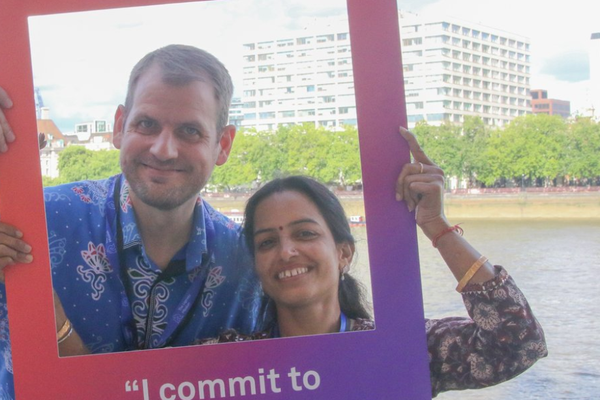
A couple of years ago I was talking to a diplomat at the United Nations in New York. His country was one of the leads on the UN’s major conference on the Sustainable Development Goals (SDGs), and my goal was to persuade him to include a reference to Neglected Tropical Diseases in the Political Declaration that came out of the conference.
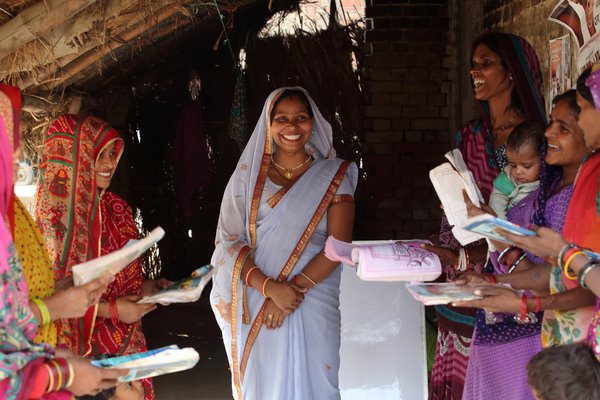
WHALE seeks to reduce the discrimination and gender inequality women with and without leprosy face in Muzaffarpur, India, getting them involved in their community and empowering them to self-advocate.
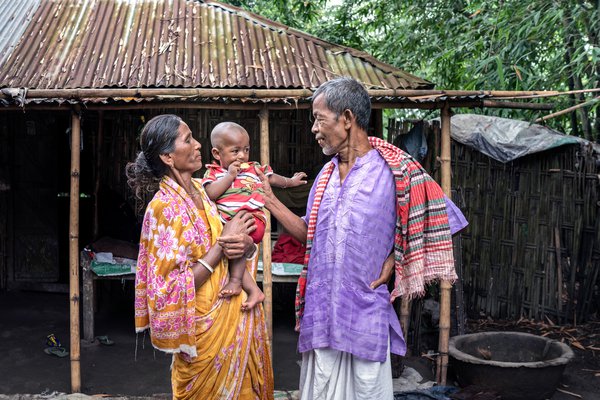
As the Nobel Prize in Physiology or Medicine is awarded for discoveries related to touch and feeling, Jannine Ebenso of The Leprosy Mission considers why this is a poignant moment for people who have experienced leprosy across the world.
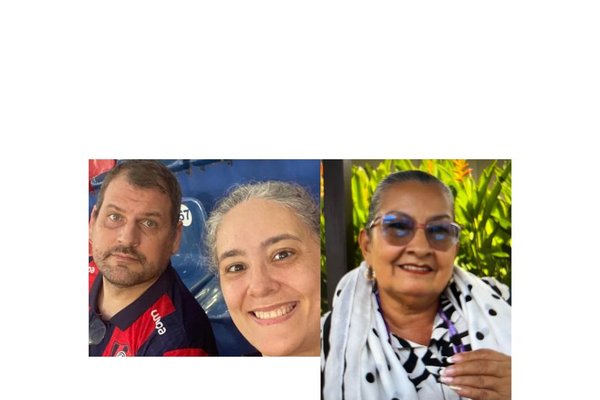
In March we commemorated International Women’s Day, and honour the fight that many have given to create a more equal world. I deeply admire the women involved in the fight against leprosy, and I wanted this Duck Drop to provide a space for them to share their perspective with all of us. With this in mind, I have invited two remarkable advocates my dear friend, Lucrecia – a member of TLM’s Advocacy Working Group, as well as my wife, Cynthia, to discuss this topic with us.