Results
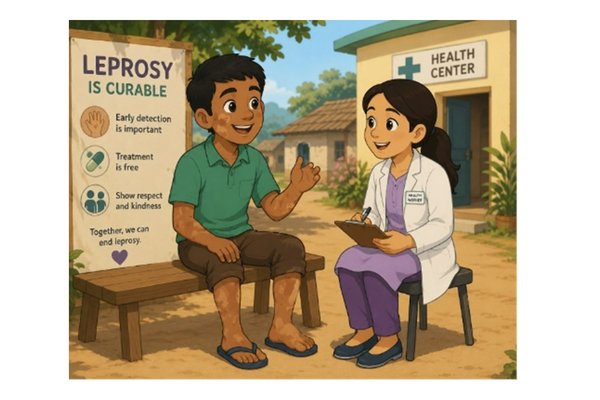
The latest Duck Drop blog takes a look at how AI might shape the visibility of people affected by leprosy and the ways it could support diagnosis.

This month, I’d like to consider how my own experiences of working in leprosy have changed me, including how a personal diagnosis of leprosy impacted me and how a career working alongside Organisations of Persons Affected by Leprosy is influencing me day by day.

In my role as TLM’s Global Advocacy Lead, the lead up to the International Day of Older Persons has made me wonder whether we do enough to hear their voices and ensure they are represented in our work and through our advocacy.

In October 2026, Mr Pete Garratt started as the International Director of The Leprosy Mission, the world’s oldest and largest leprosy-focused organisation.
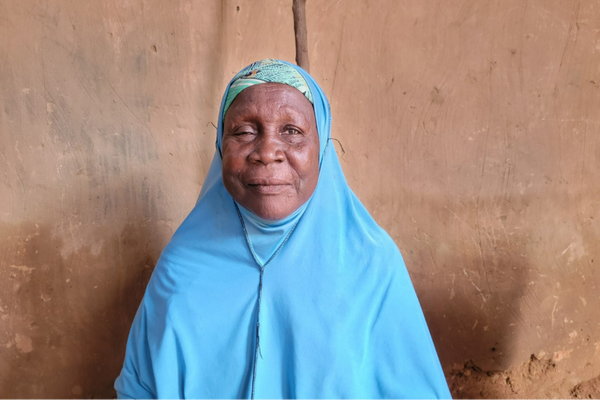
For International Day for the Eradication of Poverty on 17 October, we celebrate the resilience, dignity, and strength of people fighting leprosy and working to build better futures for themselves and their families.
Meet Mariama Ali, at 65-years-old, she has lived a life shaped by resilience.
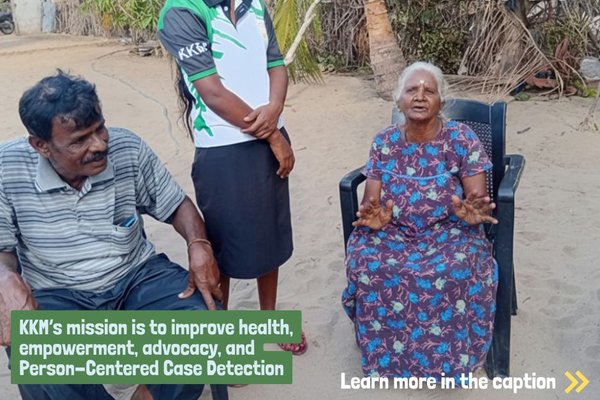
For World Food Day on 16 October, we celebrate stories such as K. Shanmugam who endured the scars of leprosy, but through support, training, and resources from KKM, was able to bring hope and treatment to so many people with similar stories.

The neglect is not accidental; there is an extent to which they are neglected diseases because we think of them as tropical diseases.




Leprosy is a mildly infectious disease. It is spread by a bacteria called M.leprae and most people are not at risk of developing leprosy if they are exposed to this bacteria.
Leprosy is caused by a bacteria called M.leprae. Leprosy is transmitted when a person comes into contact with the leprosy bacteria.

Leprosy is one of the oldest diseases known to humanity; the earliest evidence we have of leprosy is from 4,000 years ago. Many people across the world believe leprosy died out centuries ago, but this is not true
Leprosy is referred to several times in the Bible, both in the Old and New Testaments. Jesus is said to have healed persons affected by leprosy and there are a handful of people throughout the Old Testament who are said to have had leprosy.

Leprosy has been found in animals in different locations across the world, including in nine banded armadillos, red squirrels, and chimpanzees.
There are several key symptoms of leprosy that you need to be aware of. If you notice any of these symptoms, you must tell a health worker
Treatment for leprosy is free and available in every country. The treatment is a combination of three antibiotics known as Multi-Drug Therapy (MDT).