Meet Mariama Ali - International Day for the Eradication of Poverty
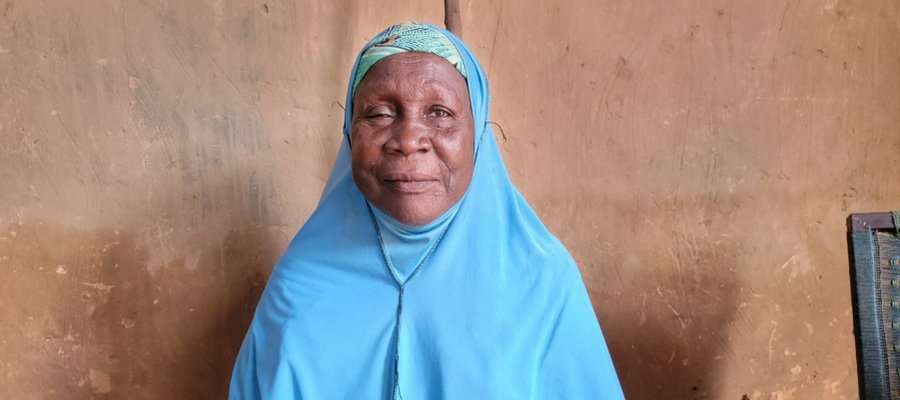
For International Day for the Eradication of Poverty on 17 October, we celebrate the resilience, dignity, and strength of people fighting leprosy and working to build better futures for themselves and their families.
At 65-years-old, Mariama Ali has lived a life shaped by resilience. Mariama was just 18 when she was faced with balancing two life-changing realities; the pregnancy of her first child and the beginning signs of leprosy. As a young adult, she could have never prepared for such unexpected events to coincide.
When symptoms of leprosy arose on Mariamas skin at 18, she received traditional treatments. But without effective medical care, those treatments left her right back where she started, with no cure and worsening symptoms. Her husband was also diagnosed with leprosy, making it difficult for either of them to earn a living.
With few options, Mariama and her husband began begging to survive. Her husband would sit outside of the bank in Niamey, hoping to receive alms to provide for their family. But even this was taken from them, as law enforcement began arresting people who were begging in the city.
Mariama was losing hope, and her family was losing resources.
Everything began to change when Mariama was taken to The National Leprosy Dermatology Centre for treatment. She remained at the Centre, receiving ongoing treatment for four years. But the support went far beyond her illness. The Centre provided Mariama’s six children with a maid to care for them, and staff at the Centre took care of any other needs. After those four years, Mariama left the Centre cured from leprosy completely.
This was not the end of her journey though; it was her opportunity to rebuild.
Before receiving treatment at The National Leprosy Dermatology Centre, Mariama believed she had little to offer. When begging was no longer an option, she was determined to safeguard her dignity.
Through TLM Niger, Mariama was introduced to a woman's group called Bina Katey, for women effected by leprosy. There, she received training and financial support. She soon took up the position as chairwoman of one of the groups. She was able to begin running the small shop, buying and reselling necessities and producing liquid soap.
For Mariama, this was so much more than earning an income, it was a door into discovering her identity apart from her diagnosis or the years she had to beg to stay alive.
Today, Mariama is proud of the life she has built and the care she can bring to her family. She no longer fears seeing men in uniform, and she encourage people living in disability or poverty to not give up.
“I can now say that my life has been transformed because the beggar woman who hid to avoid being caught has become a businesswoman who moves with pride!"
Through initiatives like Bina Katey, The Leprosy Mission is working alongside people effected by leprosy to address the inequalities that can deepen poverty in communities that have a lack of resources. By providing treatment, training, financial support and community, TLM is working to fight against leprosy and the deprivation it has on people effected.