Duck Drop: How my experiences of leprosy have changed me
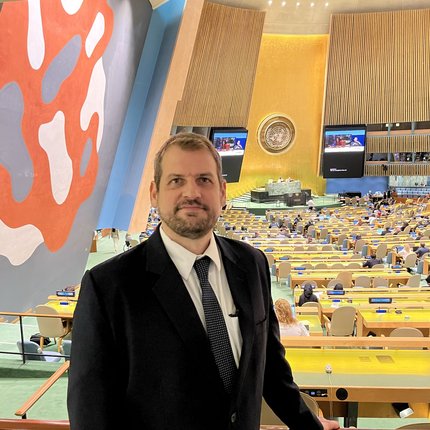
Welcome to the latest Duck Drop blog, a series that we are running in 2026. Each month, TLM International’s communications will focus on a new theme and as a part of that focus, I will be sharing a ‘Duck Drop,’ an opinion piece on the topic at hand. This month we are reflecting on what it means to serve on the front lines of leprosy.
This year, the Duck Drop series has picked up on our themes each month, offering a take on them which we hope will make you think and perhaps challenge your preconceived ideas. This month is a little different.
In August, we have been considering how people across The Leprosy Mission serve in the field with selfless, giving hearts, and the ways that this service changes us. This month, I’d like to consider how my own experiences of working in leprosy have changed me, including how a personal diagnosis of leprosy impacted me and how a career working alongside Organisations of Persons Affected by Leprosy is influencing me day by day.
As this is a personal reflection, I have pieced these thoughts together via audio, so you can listen in below. I hope they spark something in you and allow you to reflect on your own experiences working in the leprosy world, or perhaps inspire you to become more involved in this amazing work.