Results

The Leprosy Mission believes that persons affected by leprosy should be welcome and integrated into any society. There is no need to isolate any person affected by leprosy.
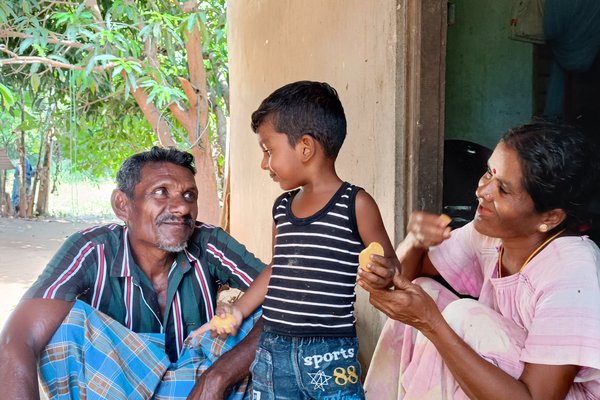
Leprosy is not hereditary, meaning it is not passed down through the genes from a parent to a child.
Leprosy is caused by a germ
There is less than a 2 percent chance that a person who has been recently diagnosed with leprosy has passed the disease on to other people in their household.
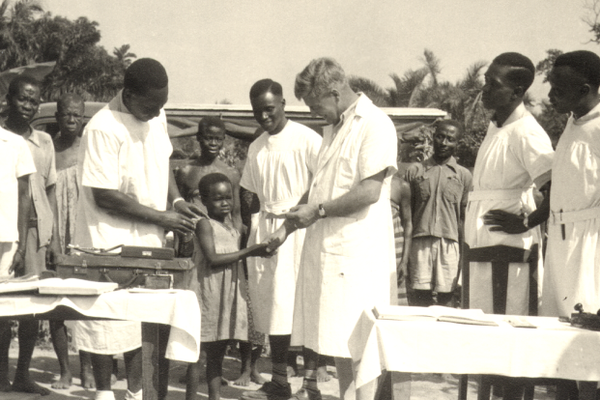
Many people think of leprosy as an ancient disease. That is both wrong and right. It is both an ancient disease and a modern disease.
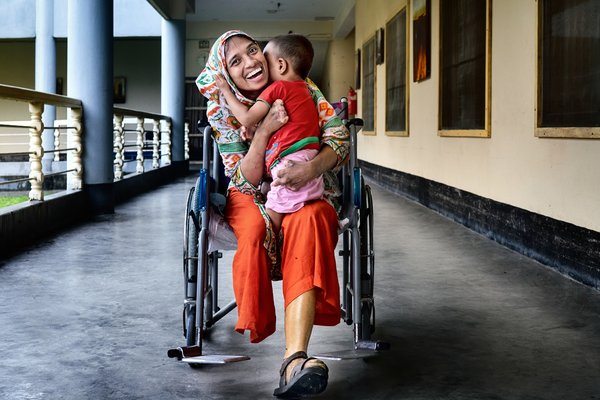
The Leprosy Mission is currently working towards a Global Strategy that runs from 2025-2030.
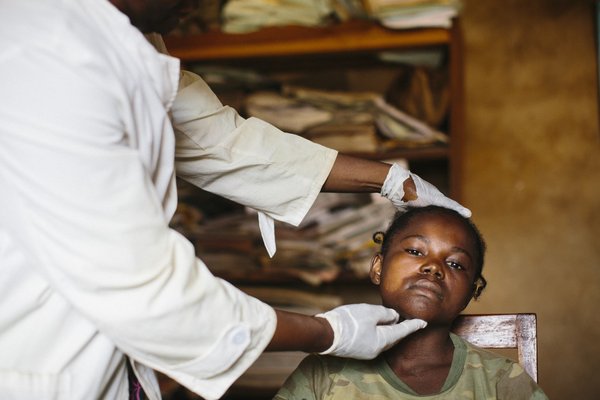
Under our 2025-2030 Global Strategy, we are working towards a goal of interrupting the transmission of leprosy in the countries we work in.
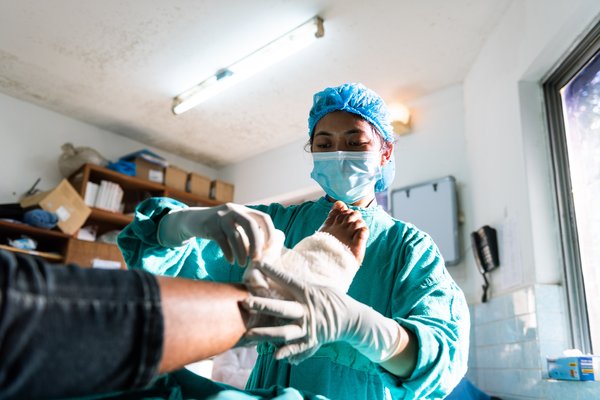
Under our 2025-2030 Global Strategy, we are working towards a goal of ensuring persons affected by leprosy will have prompt and appropriate access to services to prevent and manage leprosy disabilities .
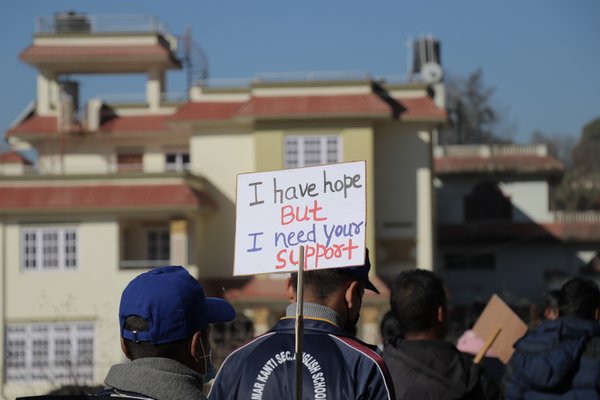
We are working towards a goal of ensuring persons affected by leprosy will be included in society and will have equal access to their full rights and entitlements.