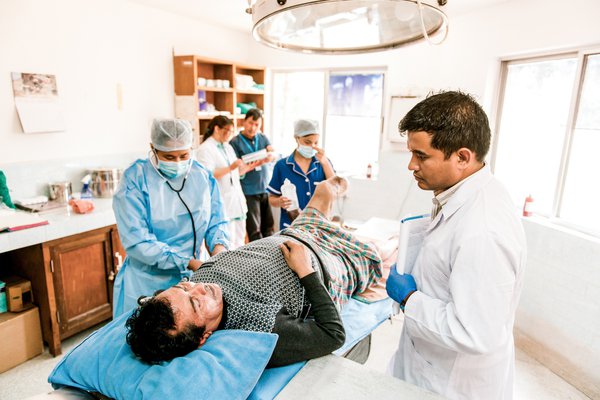
Results
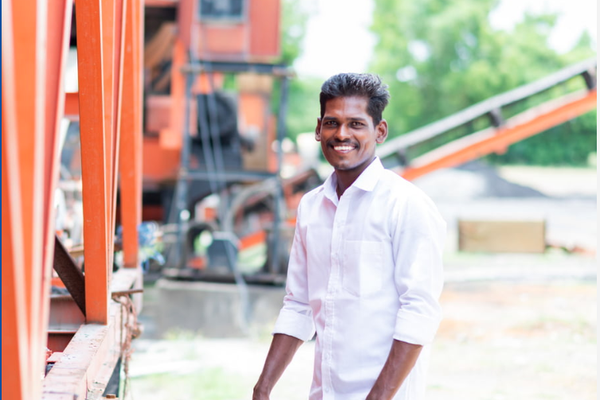
7 top tips from The Leprosy Mission's team in India on empowering a leprosy champion.
An interview with Jika Amah-Baruwa on The Leprosy Mission Nigeria's work to ensure greater participation for persons with disability and those affected by leprosy at this election.
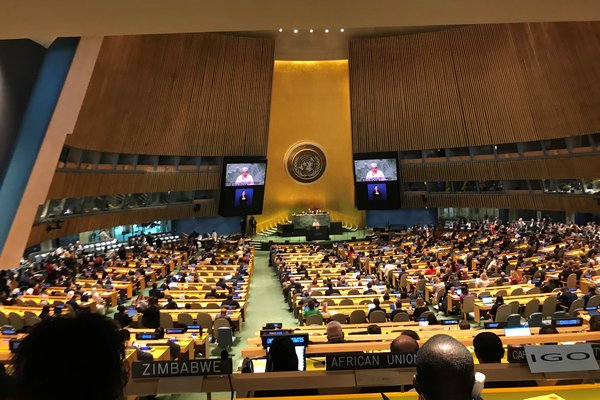
The Leprosy Mission is attending the UN's 18th Conference of State Parties to the Convention on the Rights of Persons with Disabilities, the UN's major disability rights conference. This is how we will be contributing.
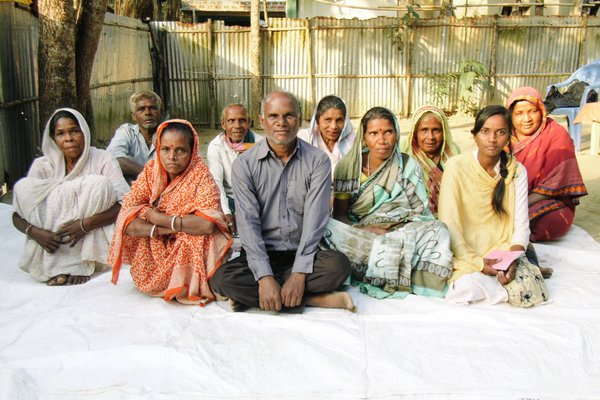
A look at the AEP Project in Bangladesh, which is improving awareness of leprosy through the government, the media, and self-help groups across the country.
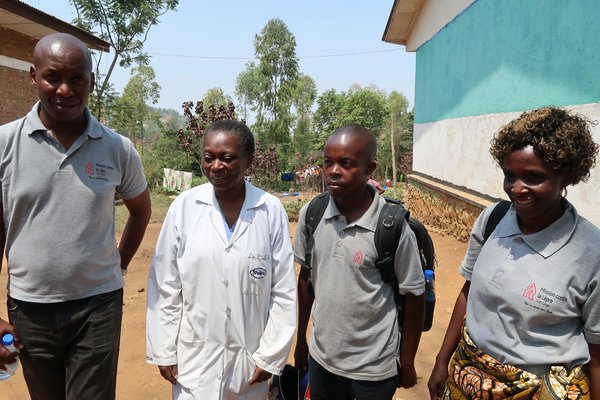
A look at a project in the Democratic Republic of the Congo that is piloting an integrated approach to controlling leprosy, Buruli ulcer and yaws.
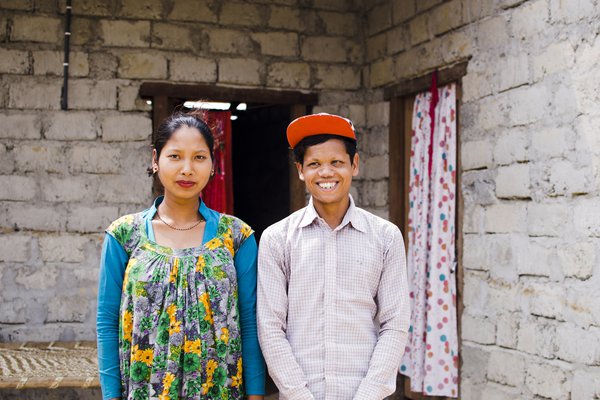
This project works in rural areas of Nepal to assist young people in finding work.
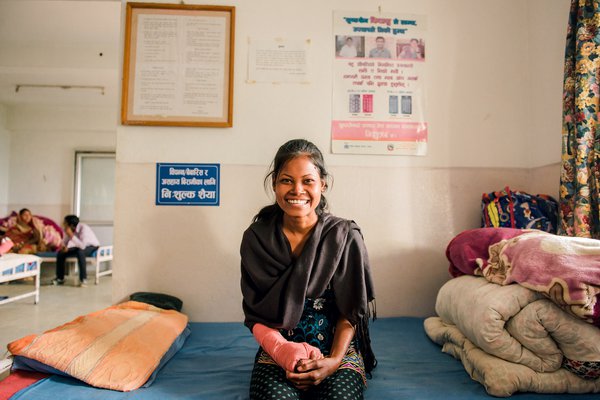
Heal Nepal works through local communities to provide cutting-edge treatments and care to end suffering and disability caused by leprosy and lymphatic filariasis.
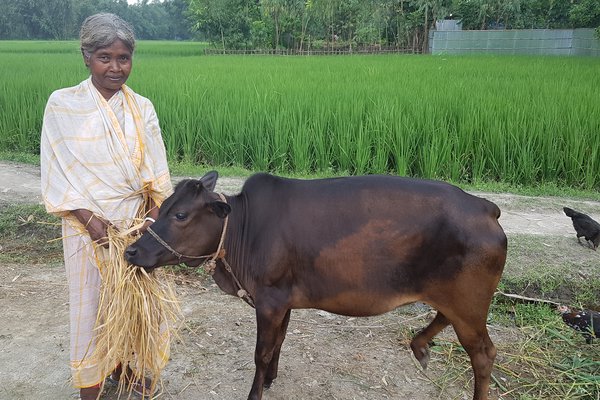
NUPIP helps the ‘ultra’ poor affected by leprosy to look after their own health and find sustainable ways of making a living, whilst tackling stigma.
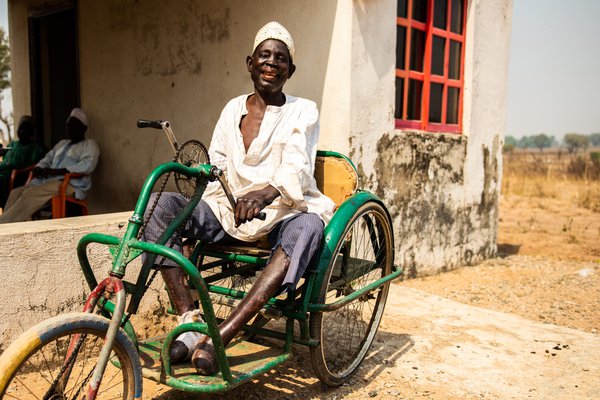
Inclusion First works in Nigeria to build the resilience of people and their families with leprosy-related disabilities so that they can fully participate in all aspects of life.
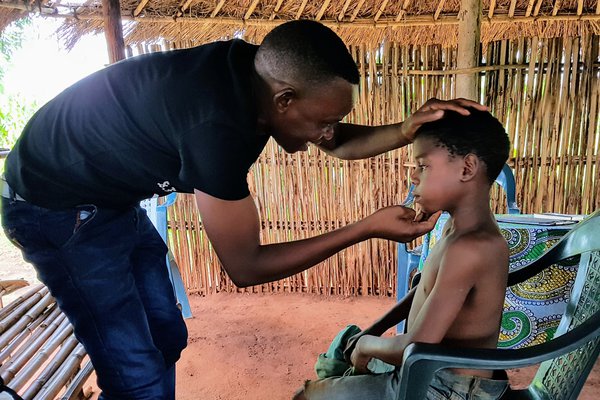
This new project will improve leprosy knowledge and skills in areas of high transmission, increase early detection of the disease, and ensure that local communities have the skills and confidence to solve their ongoing health and environmental challenges in a way that is relevant to their own local context.
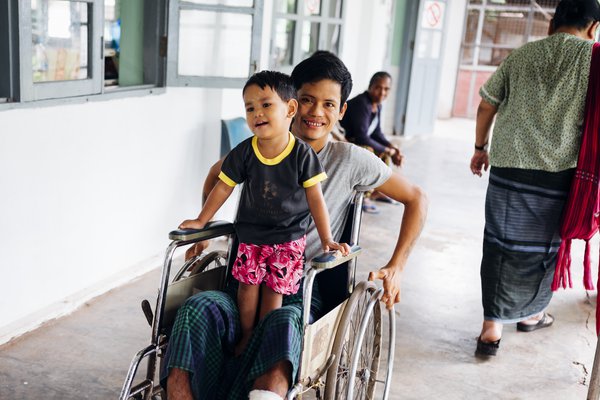
This programme works to ensure that people affected by leprosy and/or disability are able to access information, help and support to which they are entitled.
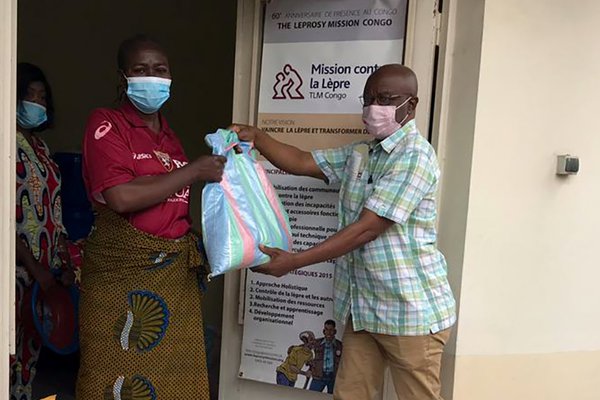
Working towards Zero Discrimination, We are able! works to bring access to resources for food security where there has been a protracted crisis.
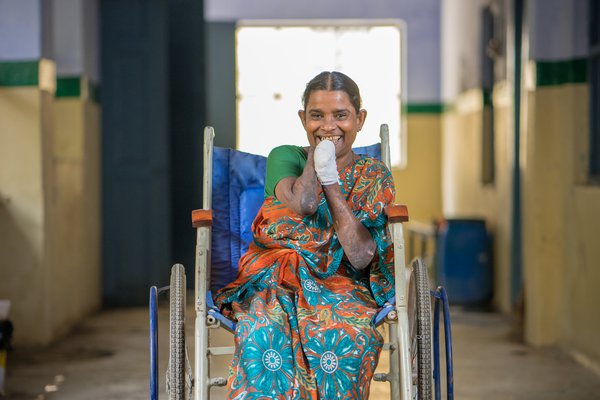
This project supports people affected by leprosy to manage their disability, to find their own voice within local and district decision making, and to provide for their own families through sustainable livelihood programmes.
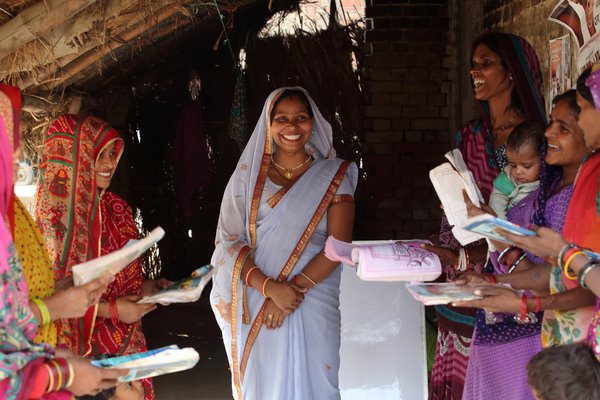
WHALE seeks to reduce the discrimination and gender inequality women with and without leprosy face in Muzaffarpur, India, getting them involved in their community and empowering them to self-advocate.
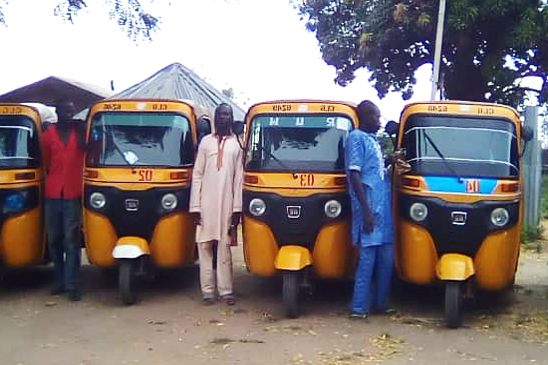
The project helped the community to find their own voice, access funding, and organise around a sustainable livelihood project that has given new life to the community.
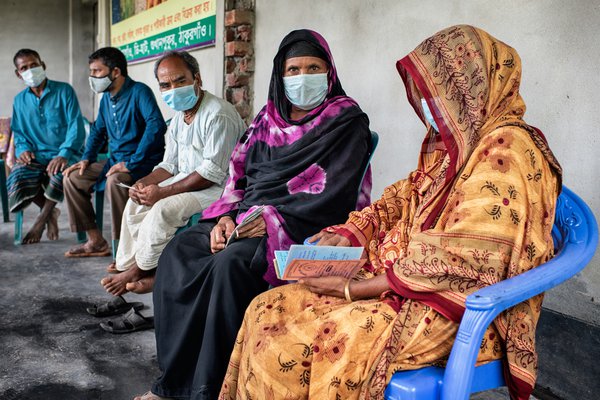
The FREE project aims to improve living conditions for persons affected by leprosy through increasing access to government entitlements and services.
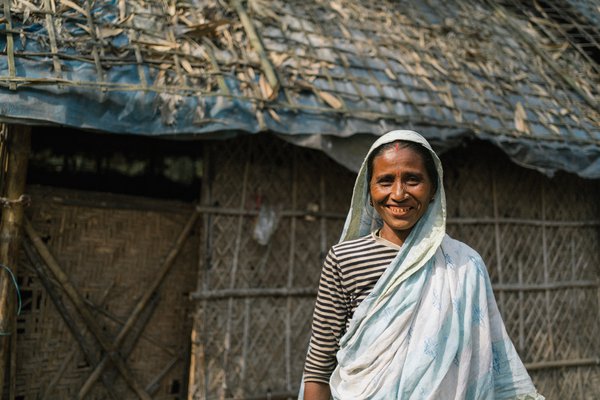
Over 15 years, TLM Bangladesh have established a network of 700 Self-Help Groups, which have now become autonomous Disabled Peoples' Organisations.